





How to Make Fresh Tomato Paste at Home to Beat Rising Canned Paste Prices
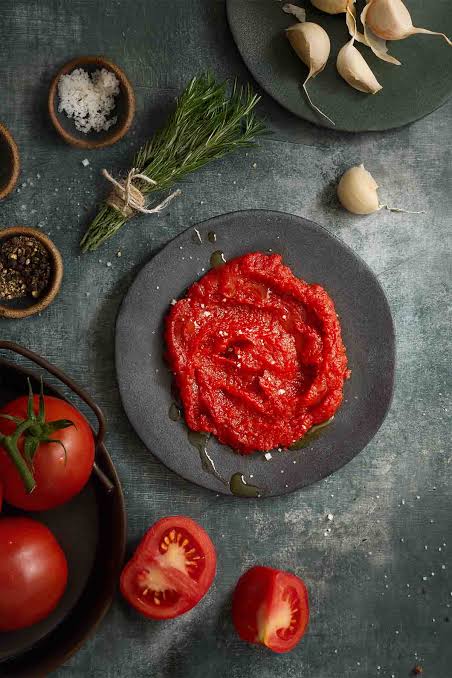
With the rising costs of commercial canned tomato tins and sachet pastes, home cooks across Nigeria are seeking practical ways to stretch their kitchen budgets.
Making rich, double-concentrated tomato paste at home using fresh plum tomatoes (Jos tomatoes) and red bell peppers (Tatashe) isn’t just budget-friendly—it guarantees zero artificial preservatives, lower acidity, and an authentic homemade flavor for your stews and Jollof rice.
Why Homemade Tomato Paste Wins
No Sour (Slap) Taste: Slow-reducing fresh pulp naturally caramelizes the fruit sugars, eliminating harsh acidity without needing baking soda or excess sugar.
Cost-Effective: Buying fresh tomatoes and peppers in bulk during weekly market runs or peak season saves up to 30%–40% compared to commercial paste sachets.
100% Pure & Healthy: Commercial pastes frequently rely on cornstarch thickeners, high sodium, and artificial red dyes. Homemade paste uses 100% real produce.
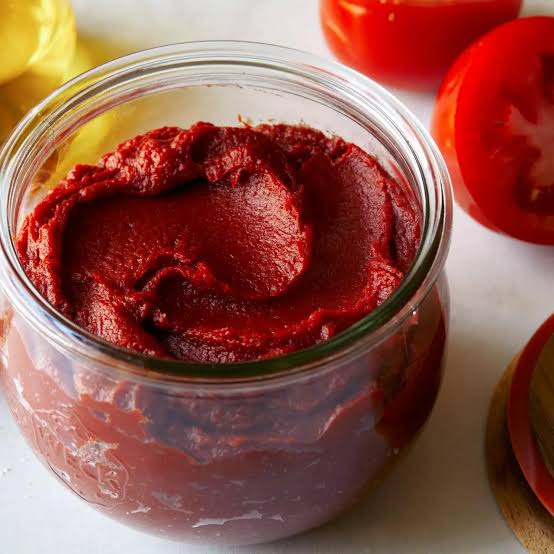
Step-by-Step DIY Tomato Paste Guide
- Prep & Cook Time: 1 Hour (Yields ~500g concentrated paste)
- Ingredients:
- 3 kg Fresh Plum Tomatoes (Jos/Roma): Choose firm, deep-red tomatoes with low water content.
- 1 kg Fresh Red Bell Peppers (Tatashe): Adds deep color, natural body, and sweetness.
- 3-4 Fresh Sombo / Cayenne Peppers: For mild background warmth (optional).
- 2 tbsp Vegetable or Olive Oil: Acts as a natural sealant and shine builder.
- 1 tbsp Sea Salt: Enhances flavor and serves as a natural curing agent.
Instructions:
- Deseed & Par-Boil: Wash produce thoroughly. Deseed the Tatashe peppers and quarter the tomatoes. Steam them in a pot without adding water for 10 minutes until soft.
- Drain Excess Water: Pour the steamed mixture into a fine sieve or cheesecloth. Let the clear, yellowish tomato water drain off for 10–15 minutes. (Save this water for cooking Jollof rice or pepper soup!)
- Blend Smooth: Transfer the drained pulp to a blender and process until silky smooth.
- Reduce & Concentrate: Pour the purée into a wide, non-stick pot or deep skillet over medium-low heat. Stir in 1 tbsp salt and 1 tbsp vegetable oil. Cook uncovered, stirring regularly with a wooden spoon so it doesn’t burn.
- Test for Thickness: Once moisture completely evaporates and a wooden spoon leaves a clean track across the bottom of the pot, your rich red paste is ready!
Smart Storage Without Power Outage Fears
- Oil-Sealed Glass Jars (Pantry Method): Scoop hot paste into clean glass jars. Pour 1 tablespoon of warm vegetable oil over the surface to create an airtight seal that prevents mold. Store in a cool pantry for up to 3 weeks.
- Portion-Frozen “Pucks”: Spoon 2-tablespoon portions into ice-cube trays or muffin tins. Once frozen solid, pop them into a ziplock bag. Drop them directly into hot stews whenever you cook!


03 Comments
Hawkin Guy
I’ve always believed that the quality of your ingredients is 90% of the meal, and this post perfectly captures that philosophy. It’s so refreshing to see recipes that let the natural flavors of fresh produce shine without overcomplicating things with processed additives. I’m definitely going to incorporate more of these vibrant greens into my dinner rotation this week!
Tony Nguyen
I’m with you on that 90% rule! It’s so easy to get caught up in complex sauces and additives, but nothing beats the crunch and flavor of truly fresh produce. I also just started adding more greens to my dinner rotation because of this post, and the energy boost is real. Let’s keep each other posted on how our ‘green’ week goes!
Join Smith
I couldn’t agree more with your point about starting simple! I tried a similar approach last night by swapping out canned veggies for fresh ones from the local market, and the difference in texture and aroma was night and day. If anyone is on the fence about trying these recipes, just go for it—your body (and your taste buds) will definitely thank you later!