



How to Spot Fresh vs. Chemically Ripened Fruits (Agbalumo, Mangoes, Bananas)

Nothing compares to biting into a sweet, juicy seasonal fruit. However, to speed up sales and reduce transport losses, some vendors resort to forced chemical ripening using Calcium Carbide ($CaC_2$) or artificial ripening sprays.
Consuming chemically ripened fruit can lead to mouth irritation, digestive distress, and a complete lack of natural sweetness. Knowing how to evaluate produce before buying protects your health and stretches your money.tea dictumst. Integer at lobortis metus. Proin molestie eget massa vel gravida. Suspendisse nec ante vel augue consectetur mollis.
Praesent interdu lacus ac est viverra hendrerit. Aenean eu turpis est
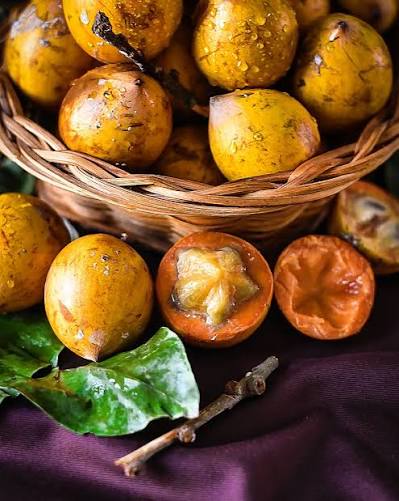
Quick Sensory Comparison
| Indicator | Naturally Tree-Ripened | Chemically Ripened (Calcium Carbide) |
| Skin Color | Gradual blend of green, yellow, or orange patches. | Unnaturally uniform neon-yellow with pale green stems. |
| Aroma & Taste | Rich, sweet, fragrant smell; sweet throughout. | Faint or zero aroma; sour or metallic taste near the core. |
| Texture | Soft, yields gently to pressure; juicy inner pulp. | Firm or hard skin with soft, watery, or raw inner flesh. |
Fruit-by-Fruit Inspection Guide
1. Bananas
- Naturally Ripened: Bright yellow skin with dark brown “sugar spots.” The stem end turns brown naturally as it ripens, indicating full starch-to-sugar conversion.
- Chemically Ripened: Uniform neon-yellow skin, but the stem remains distinctively bright green. The fruit feels hard to squeeze despite looking completely ripe.
2. Mangoes (Kerosene, Ogbomoso, German)
- Naturally Ripened: Natural gradient of green, yellow, and red blush. Smells sweet near the stem, with deep orange, sweet flesh throughout.
- Chemically Ripened: Uniform yellow skin with grayish-white powdery patches (carbide residue). The flesh near the seed remains pale, sour, and fibrous.
3. Agbalumo (African Star Apple)
- Naturally Ripened: Deep orange-brown skin with a soft, slightly sticky texture. Yields easily when pressed around the waist and delivers a sweet-tart balance.
- Chemically Ripened: Light yellow-orange skin that feels dry and rock-hard. Squeezing it reveals firm, rubbery pulp that tastes intensely sour and astringent.
The Water Float Test (Home Safety Trick)
Submerge your fruit in a bowl of clean tap water:
- Naturally Ripened: Sinks to the bottom due to high sugar density and full moisture content.
- Chemically Ripened: Floats or sits near the surface because forced ripening leaves the inner core underdeveloped and light.

03 Comments
Hawkin Guy
I’ve always believed that the quality of your ingredients is 90% of the meal, and this post perfectly captures that philosophy. It’s so refreshing to see recipes that let the natural flavors of fresh produce shine without overcomplicating things with processed additives. I’m definitely going to incorporate more of these vibrant greens into my dinner rotation this week!
Tony Nguyen
I’m with you on that 90% rule! It’s so easy to get caught up in complex sauces and additives, but nothing beats the crunch and flavor of truly fresh produce. I also just started adding more greens to my dinner rotation because of this post, and the energy boost is real. Let’s keep each other posted on how our ‘green’ week goes!
Join Smith
I couldn’t agree more with your point about starting simple! I tried a similar approach last night by swapping out canned veggies for fresh ones from the local market, and the difference in texture and aroma was night and day. If anyone is on the fence about trying these recipes, just go for it—your body (and your taste buds) will definitely thank you later!